
Criminal Court Records in Wabasha County
A criminal court record is the case file the court opens after charges are filed. It is not the same thing as the jail roster or the arrest record. In Wabasha County, the Minnesota District Court keeps the criminal case file through the Court Administrator, and the file can include motions, hearing settings, plea entries, orders, and sentencing information.
All criminal matters route through Minnesota District Court in Wabasha County, whether they begin as a citation, complaint, or more serious felony filing. The case may move through arraignment, motions, plea negotiations, trial, and sentencing before it becomes final.
How to Search Wabasha County Criminal Court Records
MCRO Case Search is the main remote search tool for Wabasha County criminal cases. It lets you search by defendant name, case number, or attorney, then open the register of actions for the criminal file. If you already have a citation or docket number from the jail roster or warrant list, that number is often faster than a name search.
- Open MCRO Case Search and select Wabasha County.
- Search by defendant name or case number.
- Narrow by criminal case category or filing date if needed.
- Open the docket to read the filings, hearing settings, and disposition.
- Ask the Court Administrator for a certified copy when you need an official record.
If you need a broader criminal-history check, the Wabasha County file is only one piece of the picture. State and federal records can show additional convictions, supervised release history, or separate proceedings outside the county court.
Stages of a Criminal Case
The criminal case record changes at each stage. The charge filing starts the file, the arraignment records the first court appearance, motions and pretrial hearings show the legal fight, and the plea or trial entry shows how the case was resolved. Sentencing is where the court orders jail, probation, fines, or other relief.
Case flow: Charges Filed › Arraignment › Pretrial / Motions › Plea or Trial › Disposition › Sentencing
| Stage | What Happens |
|---|---|
| Arraignment | The first formal court appearance where the charge is read and a plea can be entered. |
| Pretrial / Motions | The stage for discovery, motion practice, hearings, and case-management deadlines. |
| Plea or Trial | The point where the case is resolved by plea agreement, bench trial, or jury trial. |
| Sentencing | The court's final order on jail, probation, fines, restitution, or other conditions. |
What a Wabasha County Criminal Court Record Shows
The criminal case file shows who was charged, what the charges were, how the defendant responded, and how the judge ended the case. It also shows the case number that ties the criminal record to the docket, calendar, and any related jail or warrant records.
| Field | What It Shows |
|---|---|
| Case Number | The unique docket number for the criminal file. |
| Defendant | The person charged in the case. |
| Charges | The statutes or offense labels filed by the prosecutor. |
| Plea | Guilty, not guilty, no contest, or other recorded response. |
| Disposition | The final result or current status of the case. |
| Sentence | The punishment or court-ordered conditions after resolution. |
Charges vs. Convictions
Being charged is not the same as being convicted. A criminal court record can show dismissed counts, reduced charges, plea agreements, or an acquittal. That is why the criminal case file is useful even when the arrest record or jail entry alone does not tell the whole story.
| Charge | Conviction | |
|---|---|---|
| Stage | Accusation | Verdict or plea |
| Burden of Proof | Probable cause | Beyond reasonable doubt |
| Public Record | Yes | Yes |
Reading Dispositions and Sentences
Common disposition terms include guilty, not guilty, dismissed, nolle prosequi, and deferred. A sentence section may list jail, probation, fines, restitution, treatment, or a stay of execution, depending on the case outcome.
Sealed vs. Expunged Records
Sealed criminal records are hidden from the general public, and expunged matters are treated under Minnesota's expungement statutes. Juvenile delinquency files also stay restricted in many situations. The record may still exist for law enforcement or court use even when the public cannot see it.
| Sealed | Expunged | |
|---|---|---|
| Visibility | Hidden from public | Destroyed / treated as never existed |
| Law Enforcement | Limited access | Very limited |
| Eligibility | Cases ordered sealed by the court | Cases that qualify under Minnesota expungement law |
Public Access to Criminal Court Records
Minnesota court records are generally public unless a rule or statute makes them confidential. Wabasha County criminal files follow that rule set, so most public criminal case records are searchable in MCRO and available at the courthouse counter. Remote access limits still apply to some matters and identifiers.
Key Statutes:
Minn. R. Pub. Access 2 - Criminal court records start from a public-access presumption.
Minn. Stat. § 609A.03 - Expungement procedure for eligible criminal matters.
Background Check Considerations
A casual search is not the same thing as a consumer report. If a person needs a background check for employment, housing, or another FCRA purpose, they need a compliant reporting process, not a courthouse lookup. This page is for public case research, not screening decisions.
Important: This site is not a consumer reporting agency and cannot be used for FCRA screening decisions.
Restricted Criminal Court Records in Wabasha County
Juvenile cases, sealed files, and some active criminal matters are restricted. A pending case may also be public only by case number, not by name. If the file is not visible in MCRO, the courthouse counter is the next step.
Related Offices and Criminal Case Sources
Source: Wabasha County Attorney office page.
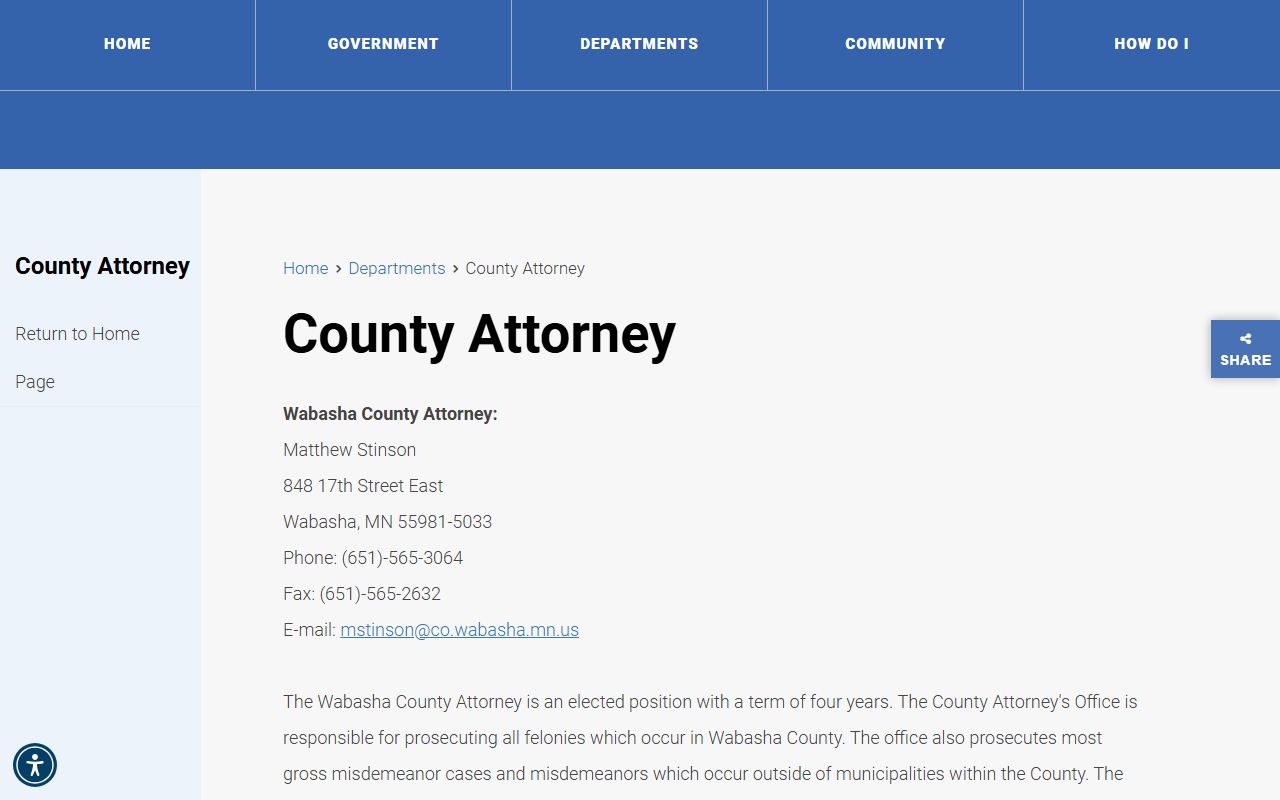
The County Attorney page identifies the office that prosecutes county criminal cases.
Source: Minnesota criminal expungement eligibility statute.
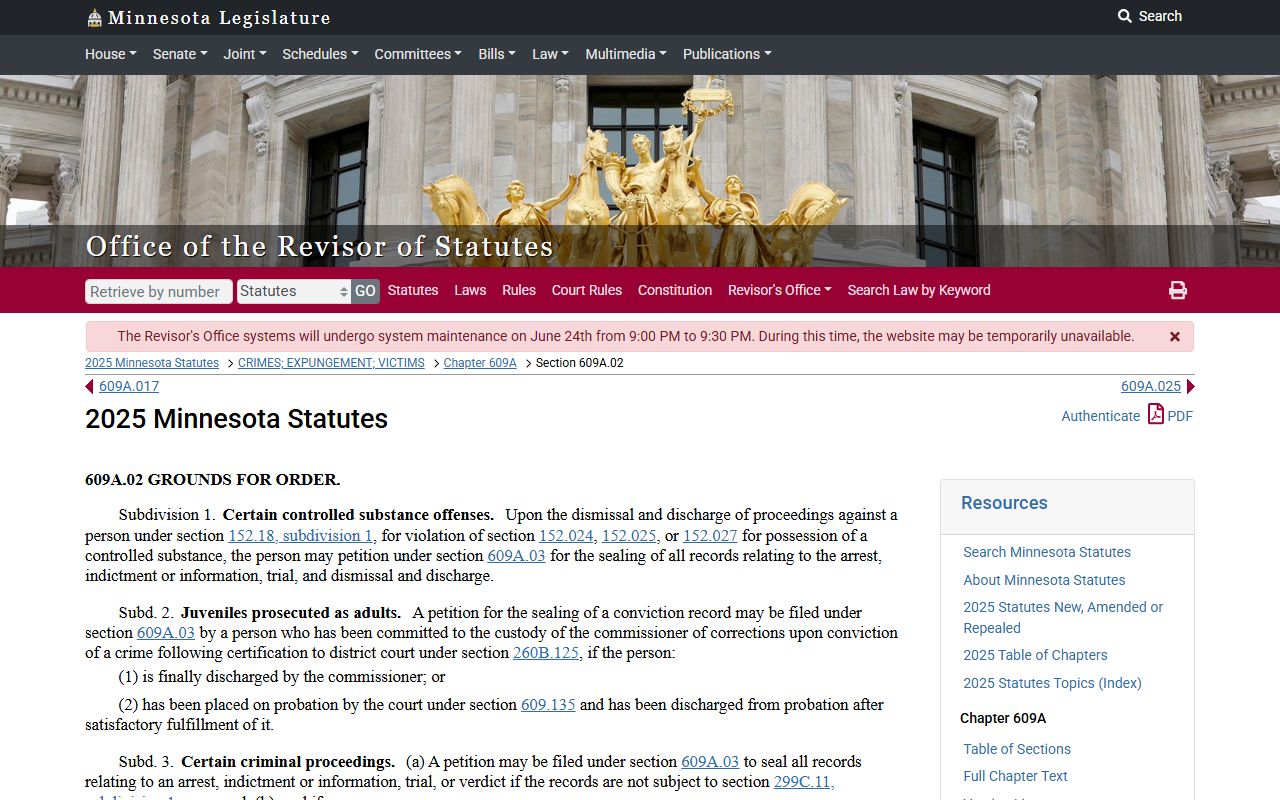
The eligibility statute is the first step when someone wants to know whether a criminal case can be sealed or expunged.
Source: Minnesota criminal expungement petition procedure.
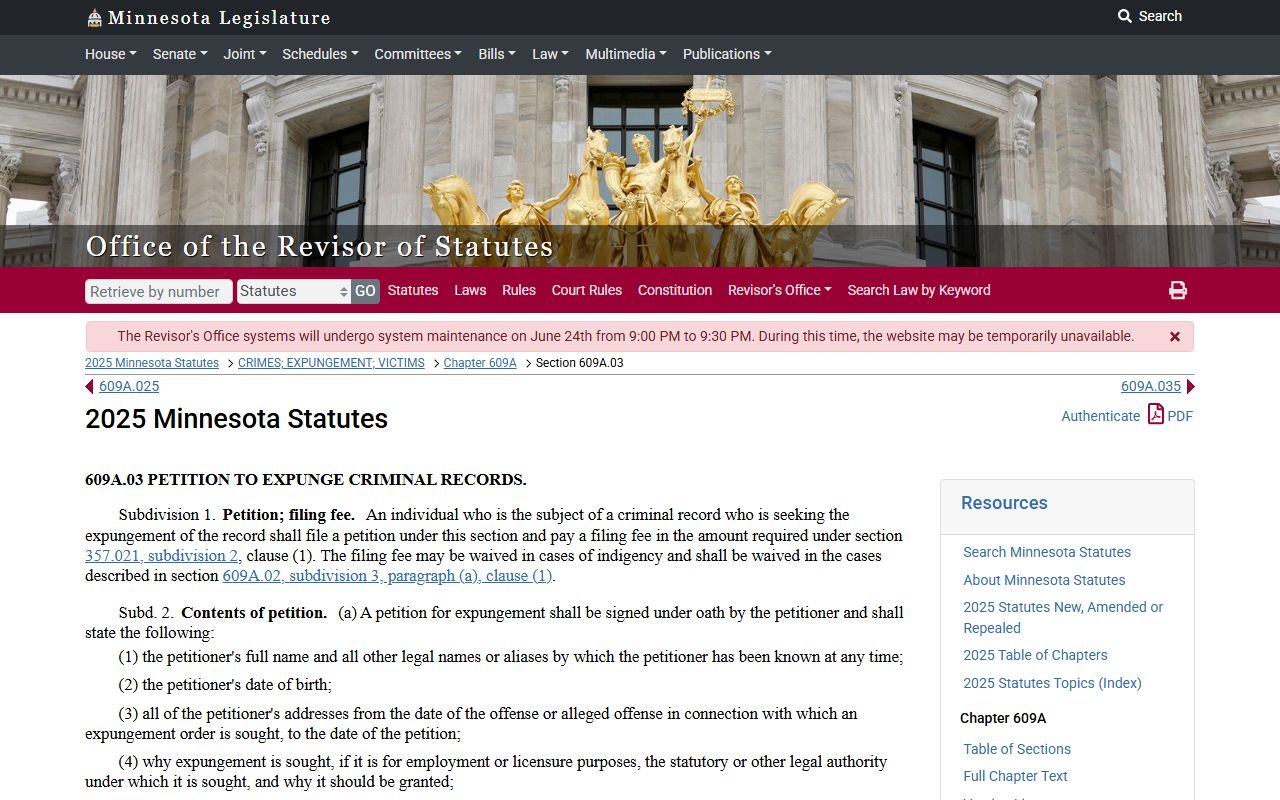
The petition procedure explains how the court considers an expungement request.
Source: Minnesota General Rule of Practice 11.
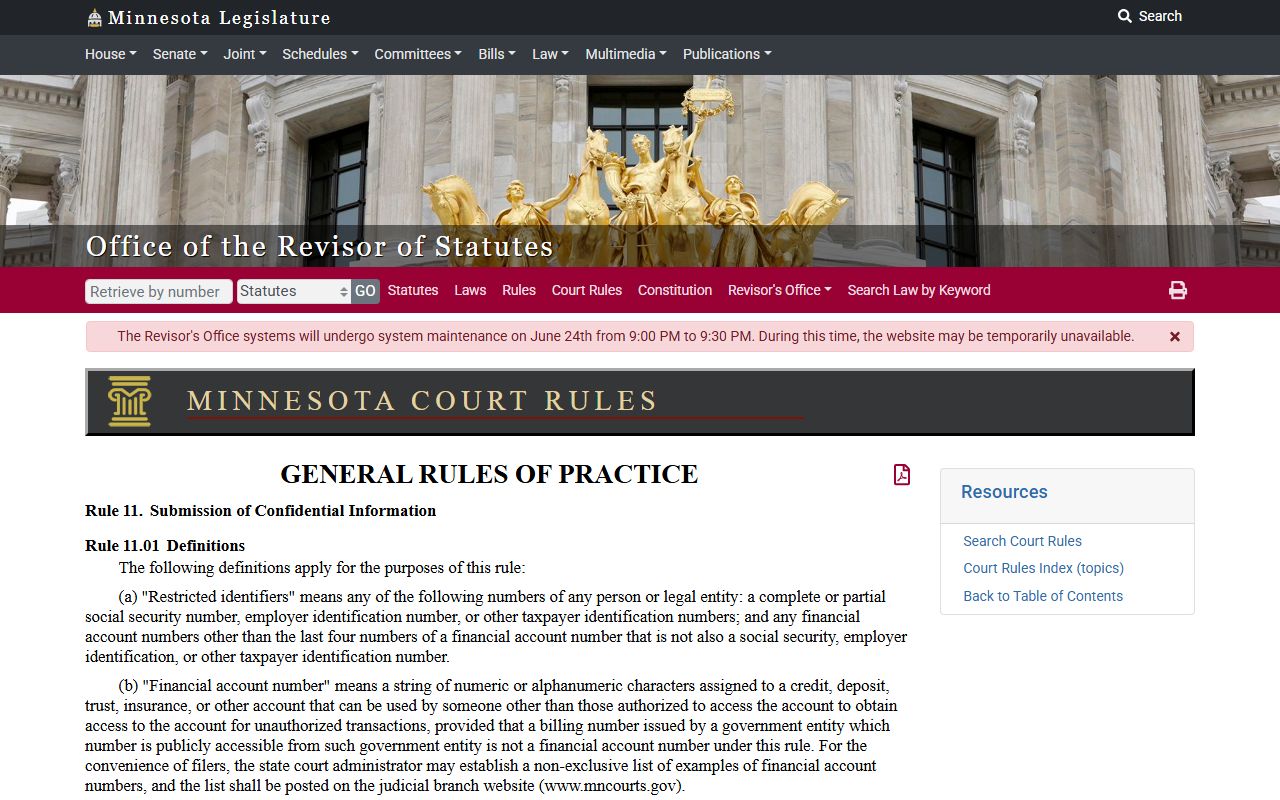
Rule 11 matters in criminal practice because it governs many courtroom procedures and filing rules.
Source: Minnesota Board of Public Defense offices.
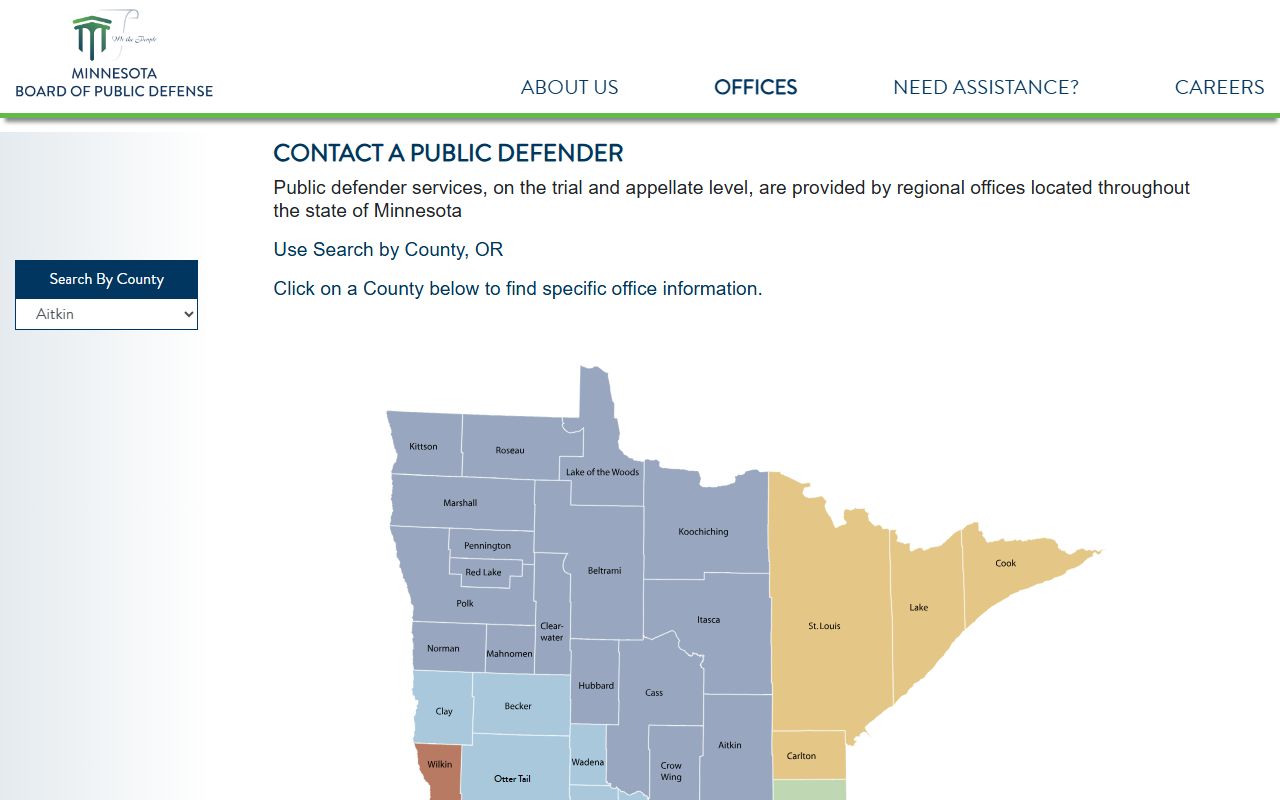
The public-defense office listing helps a defendant find the right appointed-defense contact.
Source: Wabasha legal referrals.
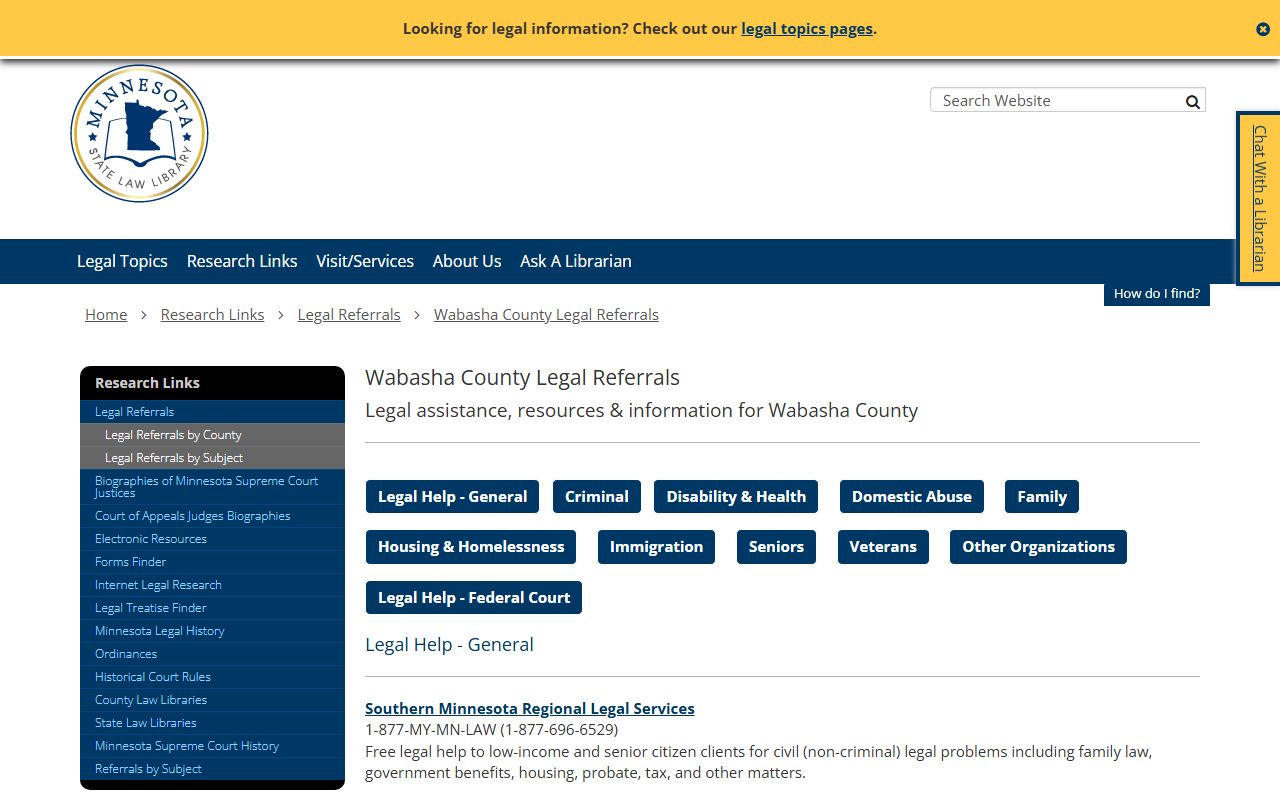
The legal-referrals page is the county-friendly backstop when a person needs a lawyer or related local resource.